



Sitting at a desk for eight or more hours a day has become the norm for millions of professionals worldwide. With that reality comes a very common and frustrating companion: back pain. Aching shoulders, a stiff lower back, and tightness along the spine are complaints that many office workers have simply accepted as part of their daily routine. But they do not have to.
Massage therapy, long regarded as a luxury, is increasingly being recognised as a legitimate and effective tool for managing the musculoskeletal strain that desk workplaces on the body.
Why Desk Work Takes Such a Toll on Your Back
The human body was not designed for prolonged stillness. When you sit for extended periods, particularly in a posture that is even slightly off, certain muscle groups remain contracted while others weaken from disuse. The hip flexors shorten, the chest tightens, and the muscles along the upper back and neck become overstretched as the head drifts forward toward a screen. Over time, this imbalance creates chronic tension, reduced circulation, and pain that tends to worsen throughout the working week.
Massage therapy, long regarded as a luxury, is increasingly being recognised as a legitimate and effective tool for managing the musculoskeletal strain that desk workplaces on the body.
How Massage Addresses the Root Causes
Massage therapy works on several levels simultaneously to combat the effects of a sedentary office job. It addresses the root causes of back pain by:
- Increasing blood flow to areas starved of circulation due to prolonged compression and inactivity. This helps flush out metabolic waste products that accumulate in tense muscles, which are often responsible for the dull, persistent ache many desk workers feel.
- Targeting the fascia, the connective tissue that surrounds and supports muscles. Prolonged sitting causes fascial tissue to thicken and adhere, restricting movement and contributing to pain. Manual manipulation breaks up these adhesions and restores the tissue’s natural elasticity. Clients who receive regular treatment often report a significant improvement in their range of motion and a reduction in morning stiffness.
The Case for Deep Tissue Work
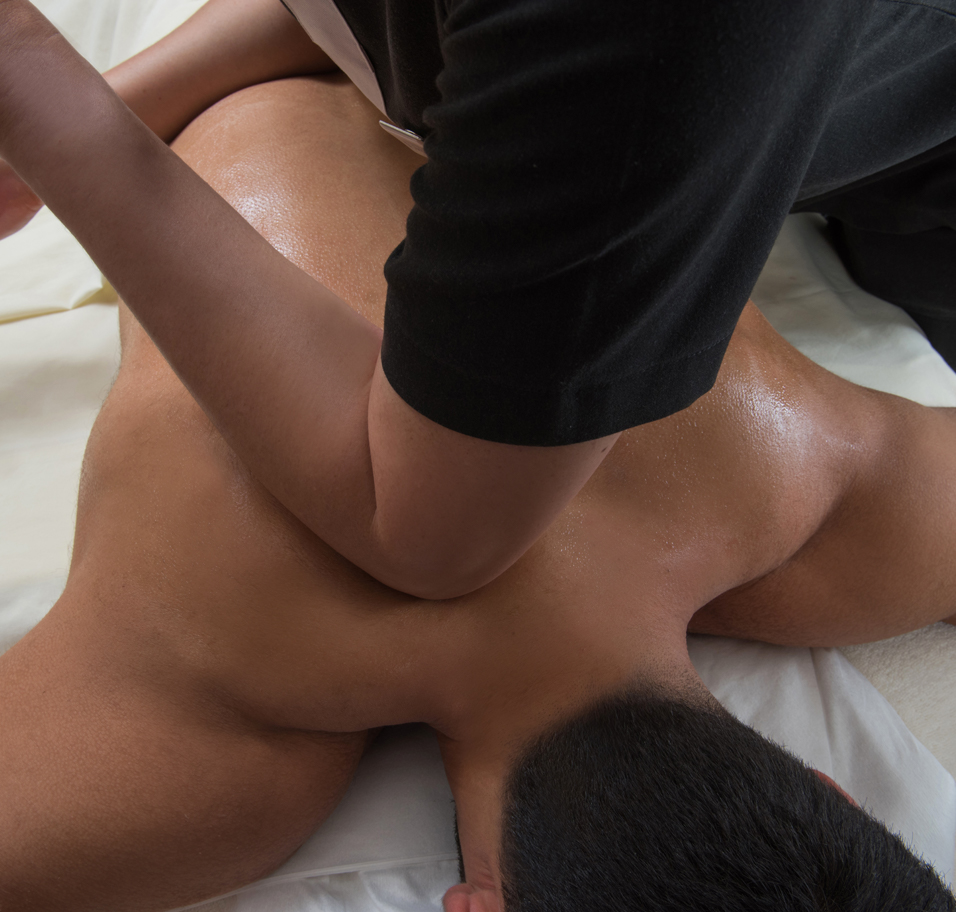
Deep tissue massage is often the most effective way to treat back pain caused by chronic muscle tension and poor posture. Unlike gentler massages that focus on relaxation, deep tissue work uses firm, targeted pressure on deeper layers of muscle and connective tissue. This is especially good for the trapezius, rhomboids, and erector spinae muscles, which are often affected by slouching over a desk.
- Targeted Release: A qualified therapist will identify the specific tight spots in your back and systematically release them.
- Intense but Effective: The technique can feel intense, but most people feel a deep sense of relief in the days after a session.
- Long-Term Relief: It’s common for people who have had back pain for months or even years to notice a significant improvement after just a few treatments.
What to Expect from Treatment
A good therapist will begin by assessing your posture, asking about your work habits, and identifying the specific areas that cause you discomfort. This evaluation shapes the course of treatment. For desk-related back pain, sessions typically combine tissue massage techniques with focused work on the neck, shoulders, and lumbar region. The therapist may also address secondary areas, such as the glutes and hip flexors, that contribute to lower back pain even though the discomfort is felt elsewhere.
It is worth noting that a single session, while beneficial, rarely resolves a problem that has developed over months of habitual strain. A course of treatment, typically spaced one to two weeks apart in the initial stages, tends to produce more lasting results. As the body responds and tension reduces, sessions can become less frequent and more focused on maintenance.
Massage as Part of a Broader Strategy
While massage can help, it’s most effective when combined with other positive habits. To truly combat the effects of a sedentary job, consider incorporating the following strategies alongside your massage therapy sessions:
- Regular movement breaks: Take two to three minutes every hour to walk or stretch. This can significantly reduce the muscular tension that builds from prolonged sitting.
- Ergonomic improvements: Adjust your workstation to better support your body. Proper monitor height and lumbar support can address the root postural causes of pain.
- Strengthening exercises: Focus on building your core and posterior chain (back, glutes, hamstrings). This provides the muscular support your spine needs to handle the demands of sedentary work.
When these habits are combined with regular massage therapy, the cumulative effect is considerably greater than any single intervention. Many people who take this comprehensive approach find that desk-related back pain, once a daily certainty, becomes a rare and manageable occurrence.
A Worthwhile Investment in Your Working Life
Back pain from desk work is extraordinarily common, but it is far from inevitable. A massage is a clinically recognised, drug-free means of addressing both the symptoms and the underlying muscular dysfunction that drives them. For anyone who spends most of their working hours seated, investing in regular massages is a practical and increasingly essential way to maintain physical health.
If you have been tolerating back pain as an occupational inevitability, it may be time to reconsider. The right therapist, the right approach, and a consistent commitment to treatment can genuinely improve how your body feels during the workday and well beyond.

Sara Alghafari
Author